What is the Pituitary Gland? – Everything About This Gland
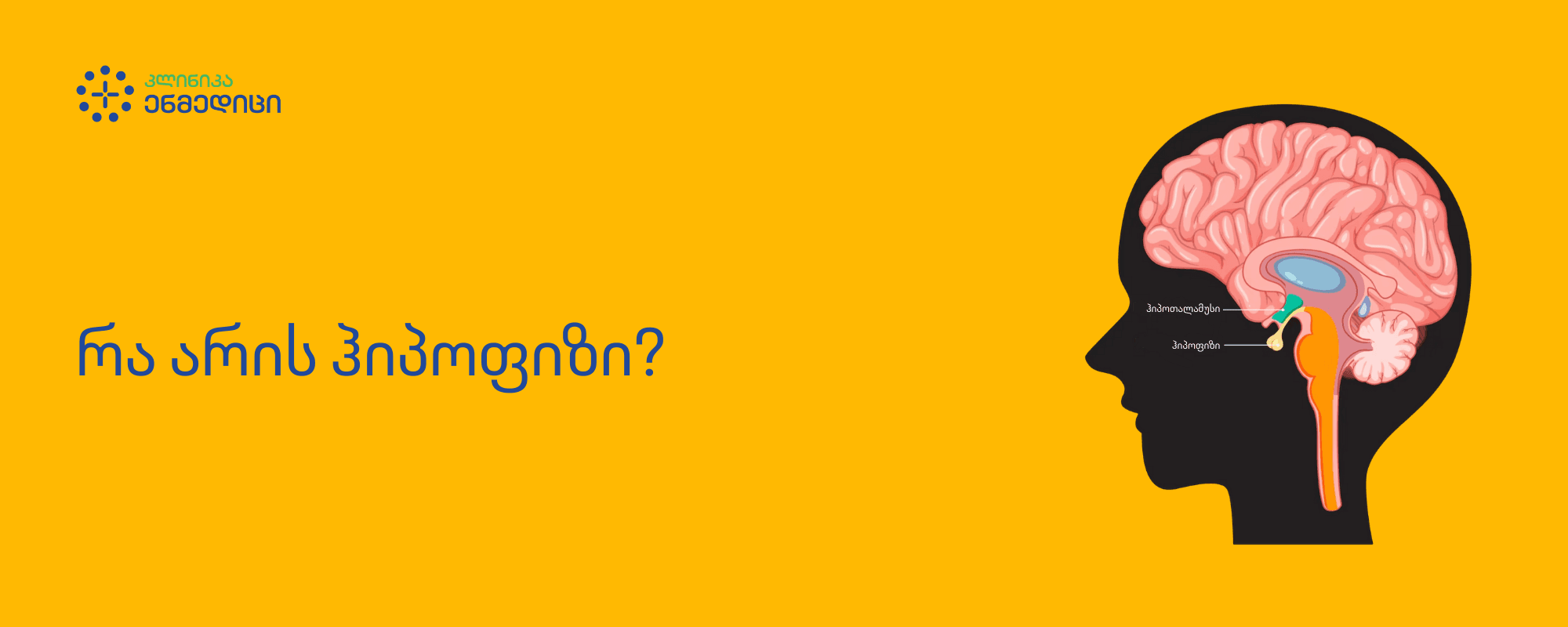
What Is the Pituitary Gland?
The pituitary gland is considered one of the smallest yet most critically important organs in the human body. It measures only a few millimeters in size, but its influence over the entire endocrine system is so significant that it is often referred to as the "master conductor" of the body.
The Role of the Pituitary Gland
The pituitary acts as a central link between the brain and various endocrine organs throughout the body, controlling numerous vital functions. It produces hormones and simultaneously regulates the activity of other glands—such as the thyroid, adrenal, and reproductive glands. When the pituitary functions properly, the body effectively distributes energy, maintains hormonal balance, and ensures stable growth, development, and metabolic processes.
The endocrine system, in which the pituitary plays a leading role, reflects nearly every aspect of a person’s life like a mirror. Any dysfunction in this system nearly always results in changes throughout the body. Therefore, understanding the importance of the pituitary gland is not only a matter of scientific interest but essential knowledge for every individual—it reveals how our bodies rely on tiny yet powerful structures.
How Is the Pituitary Gland Structured?
The pituitary gland is located at the base of the brain and is connected to the hypothalamus by a thin stalk. This close connection is no accident—the hypothalamus controls pituitary function and creates an integrated system where nervous and endocrine signals merge.
Structurally, the pituitary is divided into two main parts: the anterior lobe and the posterior lobe, which serve distinct roles.
The anterior lobe, or adenohypophysis, is the most hormonally active part. Hormones produced here influence growth, metabolism, reproductive functions, and energy balance.
For example:Growth hormone (GH) regulates bone and muscle development.
Adrenocorticotropic hormone (ACTH) stimulates the adrenal glands.
Thyroid-stimulating hormone (TSH) directly affects the thyroid gland's activity.
Additionally, prolactin, produced in the anterior lobe, plays a crucial role in lactation by controlling milk production.
The posterior lobe, or neurohypophysis, does not produce hormones itself. Instead, it stores and releases substances synthesized in the hypothalamus.
The two primary hormones released here are:Vasopressin (ADH), which regulates water balance, urine production, and blood pressure.
Oxytocin, which is involved in emotional and social bonding, as well as childbirth and breastfeeding.
Despite its small size, the structural complexity and functional diversity of the pituitary gland make it a key regulator of nearly every system in the body. Balanced function is essential not only for physical health but also for psychological stability, as hormonal imbalances directly affect daily life.
What Is the Relationship Between the Pituitary and the Thyroid Gland?
The pituitary and thyroid glands are closely interconnected. Their cooperation determines the body’s energy balance. When examining how the thyroid functions, it’s important to note that it relies entirely on thyroid-stimulating hormone (TSH) produced by the pituitary. This hormone acts as a signal that prompts the thyroid to produce thyroxine (T4) and triiodothyronine (T3).
Thyroid hormones are essential for metabolic processes. They regulate energy production, oxygen consumption, and influence the function of nearly every organ—from heart activity to skin health. Therefore, when the pituitary's influence on the thyroid is disrupted, the effects are immediate: energy levels drop, weight fluctuates, temperature control weakens, and emotional well-being suffers.
This relationship operates on a feedback loop:
When the thyroid produces enough hormones, the pituitary reduces TSH secretion.
When thyroid hormones are low, the pituitary increases TSH output to stimulate the thyroid.
This complex yet refined system highlights how essential the pituitary-thyroid connection is in maintaining hormonal balance.
Disruption of this balance can lead to various problems. Insufficient pituitary activity often results in hypothyroidism, while overactive pituitary function can cause hyperthyroidism. Both conditions significantly affect health and require timely diagnosis and treatment.
Pituitary Disorders – What Should You Know?
Dysfunction of the pituitary gland can profoundly affect everyday life. Even minor imbalances in hormone regulation can disrupt the entire endocrine system. The most common conditions are hypofunction and hyperfunction of the gland:
Hypofunction occurs when the pituitary doesn’t produce enough hormones.
This may result from congenital causes, injuries, or diseases that impair gland function. Symptoms vary widely and may include:Delayed growth in children
Fatigue and low energy in adults
Weight changes
Fertility issues
General decline in vitality
Hyperfunction, on the other hand, results in overproduction of hormones.
This leads to various disorders, such as:Acromegaly, where excessive growth hormone causes abnormal bone and tissue enlargement
Overstimulation of thyroid hormones, which accelerates metabolism and disrupts cardiovascular, nervous, and digestive systems.
One of the most common and serious conditions is a pituitary adenoma—a typically benign tumor. While it usually grows slowly, its effects can be significant.
Adenomas may:
Cause hormone overproduction
Block hormone production altogether
Symptoms depend on tumor size and location:
Headaches
Vision problems
Hormonal imbalances
Irregular menstrual cycles in women
Sexual dysfunction in men
Diagnosis and Treatment of Pituitary Conditions
Diagnosing pituitary disorders is complex, as symptoms often mimic those of other organ dysfunctions and may not obviously point to the pituitary.
Diagnosis typically involves a combination of tests:
Blood Tests
These measure hormone levels and show how well the pituitary is functioning. Results may reveal either high or low hormone concentrations—both of which signal possible dysfunction.Imaging
Magnetic Resonance Imaging (MRI) is the most effective tool for visualizing the pituitary’s structure and detecting even small adenomas in early stages.
CT scans or ophthalmologic exams may also be used, especially when vision changes are present.
Treatment Options
Treatment depends on the type and severity of the condition:
Hormonal imbalance:
Medication is usually the first step—either to reduce excess hormone production or supplement deficiencies.
This approach is especially effective in mild cases and can fully restore balance.
Pituitary adenoma:
If the tumor is large or causes severe symptoms, surgery is often required.
Minimally invasive neurosurgical techniques are commonly used today and offer safer, faster recovery.
In cases where surgery isn't feasible or doesn’t fully remove the tumor, radiotherapy may be used to destroy residual tumor tissue and halt disease progression.
Often, radiotherapy is combined with surgery or medication.
Overall, effective diagnosis and treatment require modern technology and an experienced team of specialists.
Why Is Pituitary Health So Critically Important?
Pituitary health is essential because this small but powerful gland governs the entire endocrine system. It controls body growth, metabolism, reproduction, and energy distribution. Any disruption in its function immediately affects both physical and emotional health—causing fatigue, hormonal imbalances, weight issues, and nervous system instability.
This is particularly evident in the pituitary's relationship with the thyroid gland. If the pituitary doesn’t produce enough TSH, the thyroid also underperforms, leading to energy depletion, weakened immunity, and disrupted organ function. This clearly shows that pituitary health is foundational to the harmony of the entire body.
Pituitary disorders remind us of the importance of timely diagnosis and treatment. Modern medicine offers many tools that allow patients to restore hormonal balance and prevent complications—ensuring better quality of life.